Communal Area Cleaning: Creating Safer, Healthier Shared Spaces
Communal area cleaning plays a major role in how people experience apartment blocks, offices, schools, housing estates, and mixed-use buildings. Shared spaces are the first places residents, staff, visitors, and customers notice, and they often set the tone for the entire property. When communal areas are clean, fresh, and well maintained, they feel safer, more welcoming, and more professional.
From stairwells and hallways to lobbies, lifts, bin stores, and touchpoint-heavy corridors, communal area cleaning is about more than appearances. It helps reduce grime, control odours, limit germ spread, and protect surfaces from long-term damage. A consistent cleaning routine also supports property value, improves hygiene standards, and helps everyone feel more comfortable using shared facilities.
Whether you manage a residential building, oversee a commercial property, or simply want to understand what quality shared space maintenance should look like, this article explains the key benefits, methods, schedules, and best practices associated with effective communal area cleaning.
What Communal Area Cleaning Covers
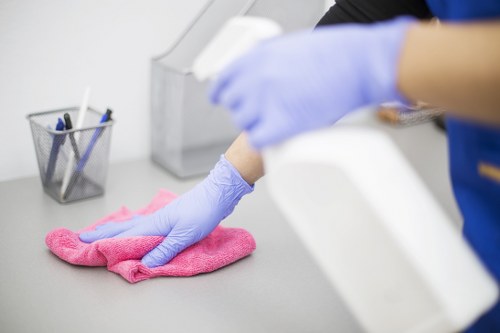
Communal area cleaning refers to the regular cleaning and upkeep of spaces used by multiple people. These are areas where dirt builds up quickly because of constant foot traffic, frequent contact, and shared use. In many buildings, these spaces are more exposed than private rooms, which means they need a structured cleaning plan rather than occasional attention.
Typical communal areas include entrance lobbies, shared hallways, staircases, lift interiors, reception areas, bin rooms, utility spaces, shared kitchens, and washrooms. In residential settings, communal area cleaning often extends to bannisters, door handles, intercom panels, skirting boards, windows, and floor mats. In commercial environments, it may also include waiting areas, shared meeting spaces, and cafeteria zones.
Well-executed communal area cleaning keeps these high-use spaces presentable and hygienic. It removes visible mess, but it also tackles hidden dirt on corners, edges, and high-touch points that are easy to overlook. This combination of visual cleanliness and practical hygiene is what makes a building feel properly cared for.
Why Communal Area Cleaning Matters
The importance of communal area cleaning is easy to underestimate until a shared area becomes neglected. A dirty hallway, stained carpet, overflowing bin store, or dusty lift can quickly create a poor impression. For residents, it may feel like management is not paying attention. For visitors or customers, it can undermine confidence in the property or business.
There is also a health and safety angle. Shared spaces are often hotspots for dust, litter, spills, and bacteria because many people pass through them each day. Regular cleaning helps reduce allergens, lower slip hazards, and limit the spread of germs on common surfaces such as handrails, buttons, and door handles.
Another major reason communal area cleaning matters is asset protection. Floors, paintwork, glass, fixtures, and fittings last longer when dirt and moisture are removed promptly. Without routine maintenance, surfaces can become scratched, stained, or degraded, leading to higher repair and replacement costs later on.
Key benefits at a glance
- Improved hygiene in shared environments
- Better first impressions for visitors and residents
- Reduced slip, trip, and fall risks
- Longer lifespan for floors and fixtures
- Less odour, dust, and surface contamination
- A more pleasant and professional atmosphere
Common Spaces That Need Regular Attention
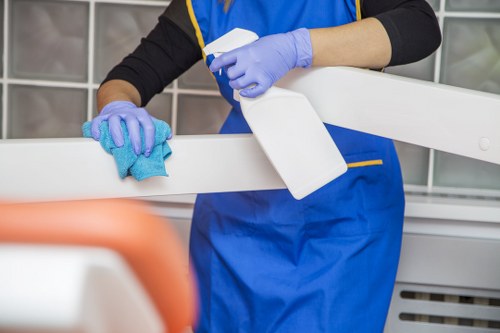
Communal area cleaning is not limited to one or two obvious locations. Different shared areas collect different types of dirt, and each one needs a tailored approach. A professional cleaning routine will usually prioritise high-traffic spaces first, then move on to surfaces and features that require scheduled maintenance.
Entrances and lobbies often need the most visible care because they receive the heaviest foot traffic and are the first spaces people notice. Floors in these areas collect mud, moisture, and debris from outside. Glass doors and panels also show fingerprints quickly, making them a major part of any communal area cleaning schedule.
Staircases and landings are another priority. These areas accumulate dust on steps, corners, ledges, and banisters. Lift interiors and lift buttons require frequent sanitising because many people touch them throughout the day. Bin storage areas, meanwhile, need regular cleaning to control odours, leaks, pests, and contamination.
Spaces commonly included in a cleaning plan
- Entrance halls and reception areas
- Hallways, corridors, and landings
- Stairwells and handrails
- Lifts and lift surrounds
- Shared kitchens and break areas
- Bin stores and waste collection points
- Communal toilets and washrooms
- External entryways and mats
In larger buildings, communal area cleaning may also include wall spot-cleaning, skirting board dusting, window cleaning, and the removal of cobwebs from ceiling corners and lighting fixtures.
What a Professional Communal Area Cleaning Service Usually Includes
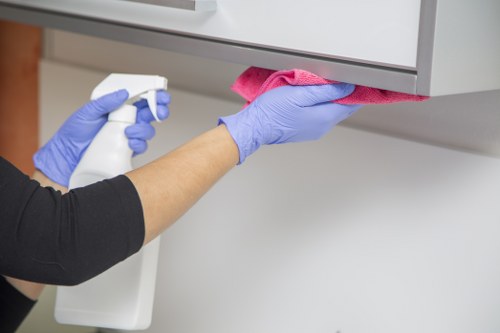
A professional communal area cleaning service should be flexible enough to match the building’s use, schedule, and specific problem areas. The most effective services are built around consistency, attention to detail, and an understanding of how shared spaces are used across the day.
Standard tasks often include sweeping, vacuuming, mopping, dusting, waste removal, sanitising touchpoints, and polishing visible surfaces. Depending on the building, cleaners may also deep clean carpets, wash hard floors, disinfect shared equipment, and wipe down entrance mats or glass panels. Attention to high-contact areas is essential because these spots can spread dirt and bacteria faster than people realise.
Some buildings need additional seasonal or periodic work. For example, winter may require more floor cleaning because of wet shoes and salt residue, while spring may call for deeper dust removal and improved ventilation cleaning. A reliable communal area cleaning plan adapts to these changes rather than relying on the same routine all year.
Typical cleaning tasks
- Vacuuming carpets and rugs
- Mopping hard floors with appropriate products
- Disinfecting buttons, handles, switches, and rails
- Emptying bins and replacing liners
- Cleaning glass doors and internal windows
- Removing marks from walls and skirting boards
- Wiping down benches, counters, and shared surfaces
- Refreshing entrance mats and floor edges
For properties with a high turnover of visitors, communal area cleaning may also include mid-day touch-up visits to keep shared spaces in excellent condition throughout operating hours.
How Often Should Communal Areas Be Cleaned?

The right cleaning frequency depends on how many people use the space, what the space is used for, and how quickly dirt accumulates. There is no single schedule that fits every property, but a structured routine is always better than reactive cleaning after problems appear.
Busy apartment blocks and office buildings often require daily communal area cleaning, especially in entrance zones, lifts, corridors, and toilets. Lower-traffic properties may need cleaning several times a week, while some sites benefit from a mixed schedule that combines daily touchpoint cleaning with weekly deep-cleaning tasks.
High-use areas should never be left too long without attention. Dust, litter, and marks build up quickly in shared environments, and once grime settles in, it becomes harder to remove. Regular upkeep is not just about appearance; it also prevents damage and keeps cleaning costs more manageable over time.
Example cleaning frequencies
- Daily: entrances, lifts, high-touch surfaces, bins, and washrooms
- Several times per week: corridors, stairs, and internal glass
- Weekly: deeper dusting, skirting boards, and floor detailing
- Monthly: more intensive cleaning of neglected corners, vents, and hard-to-reach areas
For larger residential or commercial properties, a cleaning contractor may build a bespoke rota so communal area cleaning stays consistent across all levels and zones.
Best Practices for Effective Communal Area Cleaning
Use a clear cleaning schedule
The most effective communal area cleaning begins with a written plan. A schedule removes guesswork and helps ensure every area gets the right attention at the right time. It also makes it easier to monitor performance and identify any recurring issues, such as spill-prone zones or areas that attract extra litter.
Prioritise touchpoints
Door handles, buttons, railings, switches, and intercoms should be cleaned frequently because they are touched throughout the day. These points are important in both residential and commercial settings. When communal area cleaning prioritises touchpoints, the overall hygiene level improves significantly.
Use the right products
Different surfaces require different treatments. Harsh chemicals can damage polished floors, glass, painted walls, or stainless steel fittings. A good communal area cleaning provider will choose products carefully to ensure effective cleaning without unnecessary wear.
Work from top to bottom
Cleaning from higher surfaces down to lower ones reduces the risk of dust and debris falling onto already cleaned areas. This simple method improves efficiency and ensures a better result.
Additional tips for stronger results
- Place mats at entrances to catch dirt before it spreads
- Check hidden corners and edges regularly
- Use colour-coded cloths and equipment where appropriate
- Replace bin liners before they overflow
- Spot-clean marks as soon as they appear
- Maintain a consistent standard across all communal zones
Small habits make a big difference. The best communal area cleaning programmes combine routine tasks with fast response to spills, scuffs, and unexpected mess.
Challenges That Affect Communal Area Cleaning
Not all shared spaces are easy to maintain. One of the biggest challenges in communal area cleaning is the constant flow of people. The moment a hallway is cleaned, new footprints, dust, and marks can appear. This is especially true in apartment blocks, schools, hotels, and busy office complexes.
Another challenge is mixed use. A building may contain offices, residential flats, retail units, and public access areas all in one place. Each zone may need a different cleaning rhythm, which means the provider must stay organised and adaptable. A one-size-fits-all approach rarely works well in these settings.
Weather can also complicate things. Rain, mud, snow, and salt often enter buildings through entrances and lift lobbies, creating extra work for cleaners. In summer, odours and pests can become more noticeable, especially in bin areas or poorly ventilated communal kitchens.
Common issues cleaning teams need to manage
- Heavy foot traffic and constant re-soiling
- Spills and stains left unreported
- Odours from bins or damp areas
- Dust accumulation in corners and vents
- Graffiti or damage in exposed spaces
- Inconsistent cleaning standards between zones
Good communication, clear reporting, and regular inspections all help overcome these challenges and keep communal area cleaning effective.
Communal Area Cleaning in Residential Buildings
In residential buildings, communal area cleaning has a direct impact on quality of life. Residents use halls, stairs, lifts, and entrances every day, so any lack of cleanliness is immediately noticed. Fresh, tidy shared spaces help create pride in the building and support a calmer living environment.
Residents often expect communal area cleaning to deal with more than just visible litter. They want dust removed from skirting boards, fingerprints wiped from lift panels, and bin stores kept under control. If these jobs are missed regularly, the building can quickly feel neglected, even if individual flats are well maintained.
For landlords, property managers, and resident associations, investing in dependable communal area cleaning can reduce complaints and improve tenant satisfaction. It can also support long-term maintenance plans by stopping dirt, moisture, and grime from damaging communal fixtures and finishes.
Residential priorities often include
- Safe, clean staircases and landings
- Odour control in bin rooms
- Polished entrance areas
- Clean lift interiors and doors
- Removal of dust, cobwebs, and surface marks
When communal area cleaning is done well, residents tend to notice the difference immediately, even if the work is subtle and consistent rather than flashy.
Communal Area Cleaning in Commercial and Public Properties
Commercial properties rely on shared spaces to support the flow of employees, clients, and visitors. Reception areas, waiting rooms, corridors, and communal kitchens all shape the perception of the business. Clean shared spaces suggest organisation, professionalism, and care.
In public-facing environments, communal area cleaning can also influence compliance and safety standards. Schools, medical buildings, leisure centres, and transport hubs all need strict hygiene routines because of the number of people moving through them daily. In these settings, fast and reliable cleaning matters just as much as surface appearance.
Businesses benefit when communal area cleaning is part of a wider facilities strategy. It supports staff wellbeing, improves customer confidence, and reduces the likelihood of complaints about dirty or untidy shared areas. It can even contribute to better productivity, as people are more comfortable working or visiting in a clean environment.
Commercial advantages
- Improved brand image
- Better workplace morale
- Reduced health and safety risks
- Cleaner customer-facing areas
- More efficient facilities management
How to Choose the Right Communal Area Cleaning Provider
Choosing a provider for communal area cleaning should involve more than comparing prices. The right service will understand the specific demands of your building and offer a routine that matches its use. Experience, reliability, and attention to detail are all essential.
It helps to look for a cleaning company that offers flexibility, trained staff, clear communication, and consistent quality checks. A strong provider should also be comfortable adjusting the cleaning schedule when occupancy changes, seasonal issues arise, or extra work becomes necessary.
Before committing, ask whether the provider can support both routine and deep cleaning. It is also worth checking whether they can handle specialist tasks such as carpet care, floor polishing, sanitising touchpoints, or waste-area cleaning. The best communal area cleaning services combine everyday maintenance with the ability to respond to specific challenges.
Questions worth asking
- What areas are included in the regular cleaning plan?
- How often are inspections carried out?
- Can the schedule be tailored to the building’s needs?
- Are products and methods suitable for all surface types?
- How are issues or missed tasks reported and resolved?
When these questions are answered clearly, it becomes easier to choose a service that will keep your shared environment in excellent condition.
Long-Term Value of Consistent Communal Area Cleaning
Consistent communal area cleaning is an investment in the building’s future. Clean shared areas last longer, function better, and create fewer problems over time. Dirt and neglect may seem like minor issues at first, but they often lead to bigger maintenance concerns if ignored.
There is also a strong psychological effect. People tend to treat clean spaces with more care. When communal areas look well maintained, users are often less likely to litter, damage surfaces, or ignore basic tidiness. That means cleaning can help create a positive cycle of respect and upkeep.
In simple terms, good communal area cleaning pays off in comfort, safety, and longevity. It supports residents, visitors, employees, and property owners alike. Clean shared areas tell people that the building is managed properly and that standards matter.
If you want better hygiene, a more professional atmosphere, and a space that feels cared for every day, now is the time to prioritise communal area cleaning. Contact us today to discuss your requirements or book your service now and keep your shared spaces at their best.