Deep Cleaning in Modern Homes: What It Is, Why It Matters, and How to Do It Right
Understanding Deep Cleaning in Everyday Life
Deep cleaning in a home is much more than a quick tidy-up or a surface wipe. It is a focused, thorough process designed to remove built-up dirt, dust, grime, grease, and hidden allergens that regular cleaning often misses. While daily or weekly cleaning keeps a home looking neat, deep cleaning in living spaces goes further by reaching corners, edges, appliances, fabrics, vents, and other neglected areas.
Many people think of deep cleaning in terms of a seasonal chore, but it can also be an important part of maintaining a healthier environment all year long. A clean home is not just about appearance; it can affect comfort, air quality, and even stress levels. When the surroundings are fresh and organized, daily routines often feel easier and more manageable.
Whether you live in a small apartment, a busy family house, or a larger property, deep cleaning in the right way can make a remarkable difference. It helps restore freshness, supports hygiene, and extends the life of furniture, flooring, and appliances.
Why Deep Cleaning in Homes Is So Important
There are many reasons why deep cleaning in a home should not be ignored. Dust and debris can accumulate in hidden spots, leading to unpleasant odors, stained surfaces, and dull-looking rooms. Over time, that buildup can also affect indoor air quality and create a less comfortable living space.
Another major benefit of deep cleaning in your home is the removal of allergens. Dust mites, pet dander, pollen, and mold spores can collect in soft furnishings, carpets, curtains, and upholstery. Regular vacuuming helps, but deep cleaning reaches deeper layers and can significantly reduce irritants.
It also plays a role in preserving the condition of your property. Grease on kitchen cabinets, soap residue in bathrooms, and grime on floors can all cause wear if left untreated. Investing time in deep cleaning in specific areas helps protect finishes, surfaces, and materials for longer-lasting results.
Health, comfort, and property care
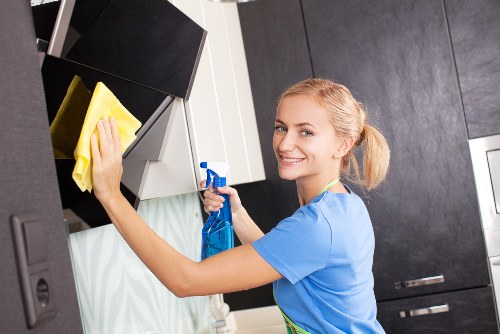
When a home is deeply cleaned, the difference can be seen and felt immediately. The space becomes more inviting, more hygienic, and easier to maintain. That is why many homeowners consider deep cleaning in their seasonal maintenance routine rather than treating it as an occasional extra task.
How Deep Cleaning in Different Areas Works
Deep cleaning in each room requires a slightly different approach because every space gathers dirt in unique ways. Kitchens need degreasing, bathrooms need disinfection, bedrooms need dust removal, and living rooms need attention to fabrics, electronics, and overlooked surfaces.
It is helpful to think of the process as moving from top to bottom and from clean to dirty. This method prevents dust and debris from spreading to areas already cleaned. A smart deep cleaning in any room usually starts with decluttering, followed by dusting, wiping, washing, sanitizing, and finishing with floors.
Below are a few examples of how deep cleaning in various parts of the home can differ:
- Kitchen: inside appliances, cabinet fronts, grease traps, backsplash, and sink drains.
- Bathroom: grout, shower doors, toilet bases, faucets, mirrors, and vents.
- Bedroom: under-bed dust, mattress care, curtains, skirting boards, and closet shelves.
- Living room: upholstery, under furniture, electronics, lampshades, and window tracks.
Each of these areas benefits from a methodical deep cleaning in order to remove buildup that may not be obvious at first glance.
Important cleaning principle
Always work from the highest surfaces to the lowest surfaces. This keeps dust from settling onto already cleaned areas and makes the process more efficient.
Deep Cleaning in the Kitchen: Where Grime Builds Up Fast

The kitchen is one of the busiest parts of the home, which means it often needs the most attention during deep cleaning in a household routine. Cooking splashes, food crumbs, grease, and sticky residue can quickly accumulate on surfaces, appliances, and hidden corners.
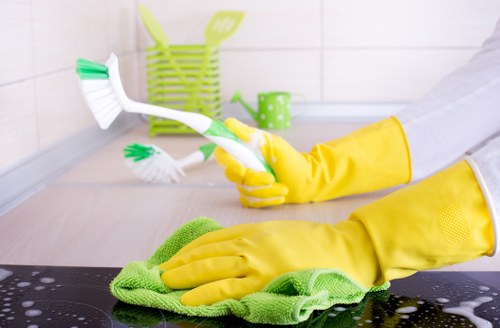
A proper deep cleaning in the kitchen should include wiping the inside and outside of cabinets, cleaning behind and under appliances, scrubbing sinks, and removing grease from countertops and backsplashes. The stove, oven, microwave, and refrigerator are often the biggest jobs because they collect residue in places that are not visible during everyday cleaning.
It is also wise to clean trash bins, disinfect handles and switches, and inspect pantry shelves for expired items or spills. Deep cleaning in the kitchen not only improves appearance but also supports food safety and reduces the chance of unpleasant smells or pests.
Kitchen tasks to include
- Clear and wipe cabinet shelves.
- Degrease stovetops and range hoods.
- Deep clean the oven and microwave interior.
- Disinfect sink surfaces and drain openings.
- Vacuum and mop floors beneath appliances.
For households that cook often, repeating deep cleaning in the kitchen on a regular schedule can make weekly upkeep much easier.
Deep Cleaning in Bathrooms for Better Hygiene
Bathrooms are moisture-rich environments, so they can develop soap scum, mineral deposits, mold, mildew, and bacteria more quickly than other rooms. Deep cleaning in bathrooms is therefore essential for hygiene and comfort. It helps remove stubborn buildup that regular wiping often leaves behind.
Start with high-touch points like taps, flush handles, light switches, and door handles. Then move on to the shower, bathtub, sink, toilet, mirrors, and floors. Grout and tile lines often need extra attention because they absorb moisture and stain easily. Deep cleaning in these areas can restore brightness and reduce odors.
Ventilation is another key factor. Bathrooms without proper airflow can retain dampness, which encourages mold growth. Cleaning vents, fans, and corners around the ceiling can improve the environment and help keep the room fresher for longer.
Bathroom deep cleaning priorities
- Scrub grout and tile surfaces.
- Remove limescale from glass and fixtures.
- Disinfect toilet areas thoroughly.
- Clean shower curtains, doors, and tracks.
- Wipe exhaust fans and vent covers.
Deep cleaning in a bathroom is not just about sparkle; it is about maintaining a more sanitary and pleasant space for everyday use.
Deep Cleaning in Bedrooms and Living Areas
Bedrooms and living rooms often look clean on the surface, but hidden dust can settle in soft furnishings, under beds, behind furniture, and along baseboards. Deep cleaning in these rooms helps reduce allergens while improving the overall comfort of your home.
In bedrooms, mattress care is especially important. Vacuuming the mattress, rotating it when appropriate, and cleaning under the bed can reduce dust accumulation. Closets also benefit from a detailed clean, since shelves and storage areas often collect forgotten items and fine dust. Curtains, blinds, and pillows may need laundering or specialized care depending on the material.
Living rooms usually need attention on couches, rugs, coffee tables, entertainment centers, and decorative surfaces. Deep cleaning in these spaces can include vacuuming upholstery, dusting electronics carefully, and cleaning under sofas and chairs. If pets live in the home, extra effort may be needed to remove fur and odors.
Creating a fresher atmosphere
A room that has been deeply cleaned feels lighter, brighter, and more restful. That is especially valuable in bedrooms, where rest matters, and in living spaces, where family and guests gather frequently.
For best results, deep cleaning in these rooms should be paired with regular dusting and vacuuming. This keeps buildup from returning too quickly and helps maintain a consistently healthy environment.
Tools and Supplies That Make Deep Cleaning in Easier
Having the right tools can make deep cleaning in your home far more efficient. While many tasks can be completed with standard household items, the best results often come from using a combination of basic supplies and purpose-built tools.
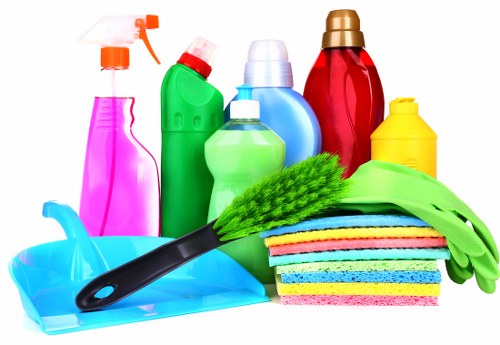
Common supplies include microfiber cloths, scrub brushes, a vacuum with attachments, a mop, gloves, disinfectant, glass cleaner, baking soda, and an all-purpose cleaner. Specialized tools such as grout brushes, steam cleaners, extension dusters, and upholstery attachments can also be very useful.
Here is a simple list of helpful essentials:
- Microfiber cloths: capture dust instead of spreading it.
- Vacuum attachments: help reach corners, vents, and upholstery.
- Scrub brushes: useful for grout, sinks, and tough residue.
- Non-abrasive sponges: protect delicate surfaces.
- Disinfectant sprays: help sanitize high-touch points.
Tip: Keep a dedicated cleaning caddy so your supplies are always organized and ready when it is time for deep cleaning in any room.
How to Plan Deep Cleaning in Without Feeling Overwhelmed
One reason people delay deep cleaning in their homes is that the task can feel too large. The key is to break it down into manageable steps. Instead of trying to clean the entire house in one day, assign each room a clear purpose and schedule.
Begin by decluttering. Removing items from surfaces, floors, and storage spaces makes everything else much easier. Then divide the work by area: kitchen one day, bathrooms another, bedrooms after that, and living spaces when time allows. This approach keeps motivation higher and makes progress visible.
A written plan can also help. Even a simple checklist improves focus and prevents tasks from being missed. If you are preparing for a seasonal refresh, special event, move-in, or move-out, a structured deep cleaning in the home can save time and reduce stress.
Suggested planning steps
- Choose a room or zone.
- Gather all supplies first.
- Declutter before scrubbing.
- Clean from top to bottom.
- Finish with floors and final touch-ups.
Deep Cleaning in Homes with Children or Pets

Homes with children or pets often need more frequent deep cleaning in order to stay hygienic and comfortable. Little hands touch many surfaces, toys accumulate quickly, and pets bring in fur, dirt, and occasional odors. A consistent routine helps keep these issues under control.
For families with young children, focus on sanitizing toys, wiping high chairs, cleaning under play areas, and laundering soft items regularly. For pet owners, pay close attention to beds, litter areas, scratching posts, food bowls, and places where fur gathers. Deep cleaning in these areas can reduce allergens and support a healthier household.
It is also important to choose cleaning products carefully. Surfaces that children or pets frequently touch should be cleaned with safe, appropriate products and thoroughly dried afterward. Keeping the space fresh without overusing harsh chemicals is often the best balance.
Family-friendly cleaning habits
- Vacuum more frequently in high-traffic areas.
- Wash pet bedding and removable covers often.
- Disinfect toy storage bins and play surfaces.
- Use door mats to limit dirt entering the home.
- Keep a regular schedule for deep cleaning in shared spaces.
This routine can make a big difference in keeping your home pleasant for everyone who lives there.
Seasonal Deep Cleaning in: When and Why to Do It
Many homeowners prefer to schedule deep cleaning in line with the seasons. Spring is especially popular because it symbolizes renewal, but autumn, before holidays, and the start of a new year are also common times. Seasonal timing provides a natural reminder to refresh the home.
In spring, people often focus on windows, curtains, baseboards, wardrobes, and outdoor entryways. In autumn, the emphasis may shift to heating vents, carpets, and guest areas. Before holidays or gatherings, a full deep cleaning in the main living spaces helps create a welcoming atmosphere for visitors.
Seasonal cleaning does more than improve appearances. It also gives you a chance to inspect the home for problems, such as leaks, mold, pest activity, damaged seals, or worn surfaces. Catching these issues early can prevent bigger concerns later.
Seasonal focus areas
- Spring: windows, drapes, storage, and air vents.
- Summer: patios, entry mats, and high-use surfaces.
- Autumn: carpets, upholstery, and heating areas.
- Winter: sanitizing, dust control, and cozy fabric care.
Professional Help vs DIY Deep Cleaning in
Some homeowners prefer to handle deep cleaning in their homes themselves, while others choose professional support. Both options have advantages. DIY cleaning gives you complete control over products, timing, and detail. It can also be cost-effective if you have the time and energy to commit to the work.
Professional services, on the other hand, can be helpful when the job is too large, too time-consuming, or requires specialized equipment. Certain tasks, such as high-level dusting, heavy carpet treatment, or detailed appliance cleaning, may benefit from expert tools and experience.
The best choice depends on your household’s needs. If your schedule is busy, or if your home has not had a thorough refresh in a while, combining your own maintenance with occasional professional deep cleaning in key areas can be a practical solution.
When professional service may be worth it
- You are preparing for a move.
- You need help with stubborn buildup.
- You want a faster, more detailed result.
- You have limited time or physical ability.
- You need specialized tools for certain surfaces.
Book your service now if you want to save time and enjoy a cleaner, fresher home without handling every task yourself.
Maintenance Tips to Keep Deep Cleaning in Effective
Deep cleaning in your home delivers the best results when supported by regular maintenance. The goal is not to let dirt return to the same level before the next session. Small habits can make a large impact and reduce the time needed for future work.
Simple daily and weekly actions help preserve a cleaner environment. Wiping spills immediately, putting items away after use, vacuuming high-traffic areas, and airing out rooms are all effective habits. These small steps keep surfaces from collecting layers of grime and reduce the effort needed during the next deep cleaning in cycle.
Also consider keeping a rotation plan for less obvious tasks. For example, one week you might clean ceiling fans, the next week you might focus on vents, and later on you could tackle upholstery or cabinet interiors. This keeps the workload balanced and prevents any one area from becoming neglected.
Long-term maintenance strategy
- Declutter regularly to reduce dust traps.
- Use mats at entrances to catch dirt early.
- Wash fabrics and linens on a schedule.
- Inspect hidden areas during monthly check-ins.
- Repeat deep cleaning in high-use rooms more often.
If you stay consistent, your home will feel cleaner, look better, and require less effort over time.
Final Thoughts on Deep Cleaning in the Home
Deep cleaning in any home is a valuable investment in comfort, hygiene, and long-term maintenance. It helps remove the buildup that routine cleaning leaves behind and creates a healthier, more inviting environment. From kitchens and bathrooms to bedrooms and living areas, every room benefits when attention is given to hidden dirt and neglected surfaces.
The process does not have to be stressful. With planning, the right supplies, and a room-by-room approach, deep cleaning in your home becomes much more manageable. Whether you prefer to do it yourself or bring in professional support, the important thing is to make it part of your regular routine.
If your space is ready for a reset, contact us today and book your service now to experience the difference a thorough deep cleaning in the right areas can make. A cleaner home is not just visually appealing—it is also more comfortable, more functional, and easier to enjoy every day.