Sofa Cleaning in Your Home: A Practical, SEO-Friendly Approach to Cleaner, Fresher Living Spaces
Why Sofa Cleaning Matters More Than Most People Realize
Sofa cleaning is one of those household tasks that often gets pushed aside until stains, odors, or dust become impossible to ignore. Yet your sofa is usually the centerpiece of the living room, which means it collects far more than just daily use. It absorbs body oils, food crumbs, pet hair, pollen, dust mites, and airborne pollutants. Over time, all of that buildup can affect both the appearance of your furniture and the comfort of your home.
Regular sofa cleaning does more than improve how a couch looks. It helps extend the life of upholstery, supports better indoor air quality, and makes your living space feel more welcoming. If you’ve ever wondered why your room still feels “not quite clean” after vacuuming the floors and dusting the shelves, the sofa may be part of the reason.
For many households, sofa cleaning also matters because furniture is a significant investment. Replacing a worn or stained couch can be expensive, while consistent maintenance can preserve fabric texture, color, and support for years. Whether you have a fabric sectional, a leather loveseat, or a delicate upholstered set, the right cleaning approach can make a noticeable difference.
Understanding the Different Types of Sofa Materials

Before starting any sofa cleaning routine, it is important to identify the material. Not every couch should be treated the same way, and using the wrong product can cause shrinking, fading, streaking, or permanent damage.
Fabric sofas are among the most common and can include cotton, linen, polyester blends, microfiber, velvet, and synthetic upholstery. Each one reacts differently to moisture, heat, and cleaning agents. Some are durable and stain-resistant, while others are more delicate and require a gentler touch.
Leather sofas need a separate approach. They should be cleaned with pH-balanced products made for leather surfaces, since harsh detergents can strip natural oils and lead to cracking. For homes with children or pets, leather can be easier to wipe down, but it still needs regular care to stay supple and attractive.
Common Upholstery Codes You Should Know
Most modern couches come with a care label that includes cleaning codes. Understanding these codes can save you from mistakes during sofa cleaning.
- W – Use water-based cleaners
- S – Use solvent-based cleaners only
- WS – Use water or solvent cleaners
- X – Vacuum only; no liquid cleaners
If your sofa has an X code, that does not mean it cannot be maintained. It simply means that liquid cleaning methods are risky. In that case, dry methods, professional upholstery care, or careful vacuuming are better options.
Knowing the code is especially useful when dealing with stubborn stains. A stain on a microfiber couch may respond well to a light water-based solution, while a suede-like finish may need dry cleaning techniques instead.
How Often Should You Clean Your Sofa?
The ideal sofa cleaning schedule depends on household activity, fabric type, and whether you have pets or small children. In general, light maintenance should happen weekly, while deeper cleaning can be done every few months.
Vacuuming your sofa once a week helps remove dust, pet dander, and crumbs before they settle into the fibers. Spot cleaning should happen as soon as spills occur, because fresh stains are much easier to remove than set-in marks. A deeper sofa cleaning can be scheduled every three to six months, depending on usage.
Homes with pets, smokers, or allergy-sensitive family members may need more frequent care. In those situations, a more regular upholstery cleaning routine can reduce odors and improve comfort. If your sofa is a high-traffic piece used daily, it is reasonable to treat sofa cleaning as part of your ongoing home maintenance.
Simple Weekly Sofa Maintenance Tips
Staying ahead of dirt makes sofa cleaning much easier later. A few simple habits can protect your furniture:
- Vacuum cushions and crevices with a soft brush attachment.
- Rotate and fluff cushions to reduce uneven wear.
- Use throws or covers in high-use areas.
- Wipe down armrests if they collect oils or grime.
- Keep food and drinks away from the sofa whenever possible.
These habits may seem small, but they add up. A sofa that is maintained regularly will usually need less aggressive cleaning and will look better for longer.
Preparing for Sofa Cleaning the Right Way

Good preparation makes sofa cleaning safer and more effective. Start by removing loose items such as blankets, pillows, and toys. Then vacuum the entire surface, paying close attention to seams, under cushions, and the back of the sofa where dust often gathers.
Next, check the manufacturer’s care tag. This step should never be skipped. If you are dealing with a stubborn stain, test any cleaner on a small hidden area first. Even a product marketed for upholstery can behave differently depending on the fabric color, weave, and dye.
It is also a smart idea to open windows or improve airflow before cleaning. Faster drying helps prevent musty smells and lowers the chance of moisture getting trapped inside the cushions. When people rush through sofa cleaning, excess dampness is one of the most common reasons for unpleasant results.
Essential Tools and Supplies
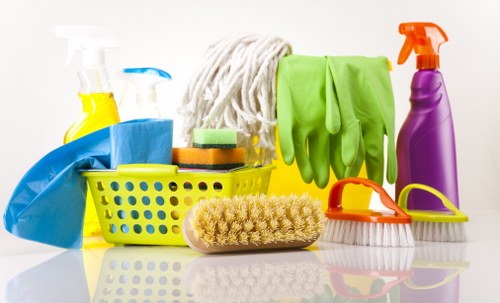
For most routine sofa cleaning tasks, you do not need a complicated toolkit. A few useful items include:
- Vacuum with upholstery attachment
- Soft microfiber cloths
- Spray bottle
- Gentle upholstery cleaner
- Baking soda
- Soft-bristled brush
- Clean towels for blotting
For leather sofas, you may also want a leather-safe conditioner and a non-abrasive cloth. If you prefer natural methods, a mild solution of soap and water may be enough for some fabrics, though it should always be used carefully and according to the care label.
Tip: Avoid using too much liquid. Effective sofa cleaning is often about controlled application rather than saturation.
Step-by-Step Sofa Cleaning Methods

1. Vacuum Thoroughly
The first step in almost every sofa cleaning routine is vacuuming. Use a brush attachment and work slowly over the cushions, arms, back, and crevices. This removes loose dirt that could become muddy if wet cleaning begins too soon.
2. Treat Stains Promptly
Spot treatment is crucial. If you spill coffee, wine, juice, or sauces, blot the area gently with a clean towel. Do not rub aggressively, as this can push the stain deeper into the fabric. Then use a suitable stain remover based on the upholstery code.
3. Clean the Surface
For water-safe fabrics, lightly mist the cleaner or solution onto a cloth rather than directly onto the sofa. Work in small sections and wipe or dab carefully. This method gives you more control and reduces the chance of over-wetting.
4. Rinse If Needed
Some fabrics benefit from a light wipe with clean water after applying a cleaner, especially if residue could attract dirt later. Again, use minimal moisture and blot dry afterward.
5. Dry Completely
Proper drying is one of the most important parts of sofa cleaning. Leave cushions in a well-ventilated space and avoid sitting on them until fully dry. If possible, use fans to speed up the process.
Natural Sofa Cleaning Solutions That Can Help
Some people prefer natural cleaning methods for routine upholstery care. While these are not always suitable for every material, they can be useful in the right situation.
A baking soda treatment can help neutralize odors. Simply sprinkle a thin layer over the fabric, let it sit for a period of time, and vacuum it up. This method is especially useful after pets have spent time on the couch or when the room has a stale smell.
Another option is a mild dish soap solution for certain washable fabrics. When used sparingly, it can help with light grease or food marks. However, natural does not always mean safe for every sofa, so testing is still essential.
When to Avoid DIY Mixtures
Not every homemade cleaner is suitable for upholstery. Vinegar, baking soda, and soap mixtures can work for some sofas, but they may leave residue or discolor sensitive fabrics. Leather should never be treated like standard fabric. When in doubt, choose a product designed specifically for sofa cleaning or consult a professional upholstery specialist.
Removing Common Sofa Stains
Food and Drink Spills
Food spills are some of the most common sofa cleaning challenges. The key is speed. Blot the spill first, then use the appropriate cleaner without saturating the fabric. Greasy foods may require a product formulated to break down oils, while colored drinks may need stain-lifting ingredients.
Pet Accidents
Pet urine, vomit, and saliva can create both stains and odors. Immediate cleanup is essential. Use absorbent towels first, then apply an upholstery-safe enzymatic cleaner if the material allows it. Enzymatic products are popular in sofa cleaning because they help break down odor-causing compounds rather than simply masking them.
Ink Marks
Ink stains can be stubborn. Depending on fabric type, rubbing alcohol or a specialized upholstery cleaner may help. Always test carefully first, and never scrub aggressively. If the stain spreads, stop and reassess before making the problem worse.
Grease and Oil
For oil-based marks, blotting and absorbent powders may help before applying a cleaning product. These stains often require patience. The earlier you begin sofa cleaning, the better your chances of a clean result.
Sofa Cleaning for Pet Owners and Families
Households with pets and children often need a more proactive approach. Sofas in busy homes are exposed to constant activity, from snack crumbs and sticky fingers to shedding fur and muddy paws. That means sofa cleaning must be both practical and consistent.
One effective strategy is to establish “clean zones” and “comfort zones.” If possible, use washable throws, cushion covers, or blankets on the most frequently used sections of the sofa. This reduces wear and makes routine maintenance easier.
For pet owners, vacuuming more often is especially important. Pet hair can work its way deep into upholstery fibers, and odors may linger if not addressed quickly. A high-quality vacuum and periodic deodorizing treatment can go a long way.
- Wash removable covers regularly
- Use lint rollers for quick touch-ups
- Keep pet nails trimmed to reduce snags
- Address accidents immediately
How to Keep Your Sofa Fresh Between Deep Cleans
Freshness is not only about removing visible dirt. It is also about maintaining a pleasant feel and smell. Air circulation, regular vacuuming, and odor control all contribute to a cleaner living room.
Baking soda, fabric-safe fresheners, and open windows can help between major sofa cleaning sessions. However, avoid overusing scented sprays. Heavy fragrance may hide odors temporarily, but it will not solve the underlying issue if dirt or moisture remains in the upholstery.
Best practice: Aim for a balanced maintenance routine rather than overcleaning. Too much moisture or harsh chemical use can shorten the life of your sofa.
When Professional Sofa Cleaning Makes Sense
Sometimes DIY methods are enough. Other times, professional sofa cleaning is the safer and more effective choice. This is especially true if the sofa is expensive, antique, heavily stained, or made from delicate fabric.
Professionals often use specialized upholstery equipment that extracts dirt from deep within the fibers. Their methods can be particularly helpful for large sectional sofas, textured materials, or persistent odors that household products cannot fully remove.
You may want to consider expert help if:
- The care tag says X or the material is difficult to clean.
- The sofa has old, set-in stains.
- There is a strong pet odor or smoke smell.
- Fabric has begun to look dull, flattened, or uneven.
- You want a deep refresh without risking damage.
What Professional Sofa Cleaning Can Improve
A skilled technician may be able to improve appearance, odor, and texture more effectively than standard home cleaning. Depending on the fabric and condition, professional upholstery care can restore brightness, reduce allergens, and make the sofa feel more comfortable.
That said, professional cleaning is not a miracle fix for every problem. Severe fading, tearing, or permanent dye transfer may not be reversible. Still, many sofas benefit significantly from periodic expert attention, especially when they are part of a well-maintained home.
For best results, pair professional care with your own regular sofa cleaning habits.
Common Sofa Cleaning Mistakes to Avoid
Even well-intentioned cleaning can go wrong if you are not careful. Some of the most common mistakes include using too much water, scrubbing stains too hard, skipping the care label, and applying random household chemicals without testing.
Another frequent issue is cleaning only the visible stain while ignoring the surrounding area. This can create water rings or uneven color patches. When treating a spot, it is better to blend the cleaned area gently into the surrounding fabric.
Here are a few errors to avoid:
- Soaking cushions instead of blotting lightly
- Using bleach on upholstery
- Ignoring drying time
- Mixing different cleaners together
- Forgetting to vacuum before wet cleaning
How Sofa Cleaning Supports a Healthier Home
Many people think of sofa cleaning as purely cosmetic, but it can also support a healthier indoor environment. Sofas can trap dust, allergens, pet dander, and other particles that circulate through the home. Regular cleaning reduces that buildup and can make a noticeable difference for people with sensitivities.
Clean upholstery can also reduce odors that make a home feel less fresh. Whether the smell comes from pets, spills, or everyday use, a clean sofa helps the entire room feel more inviting.
In a busy household, your sofa sees a lot of life. Maintaining it properly is one of the simplest ways to improve both comfort and cleanliness without major renovation or replacement.
Long-Term Benefits of Regular Upholstery Care
When sofa cleaning becomes part of your routine, the benefits are easy to see. Your furniture lasts longer, your living space feels more polished, and unexpected stains become less stressful to handle. Over time, this can save money and reduce the need for premature replacement.
There is also a visual benefit. A clean sofa sets the tone for the room. It makes the entire space feel better organized, more inviting, and more cared for. That matters whether you are hosting guests or simply relaxing after a long day.
Best results come from consistency
Instead of waiting until the sofa looks bad, regular upkeep keeps small issues from becoming larger problems. That is the real secret behind effective sofa cleaning.
Final Thoughts on Sofa Cleaning
Effective sofa cleaning is about more than wiping away visible marks. It is a practical habit that protects your investment, improves comfort, and helps create a cleaner home environment. From vacuuming and stain treatment to odor control and deep cleaning, every small effort contributes to a better result.
If your sofa has started to look tired or smell stale, now is the perfect time to take action. Start with a careful inspection, identify the fabric type, and choose the right method for your furniture. When needed, do not hesitate to seek professional upholstery care for a deeper refresh.
Book your service now or take the first step toward a cleaner living room today. Contact us today to keep your sofa looking its best and your home feeling fresher, more comfortable, and more welcoming.