Domestic Cleaning: A Practical Approach to a Cleaner, Healthier Home
Why Domestic Cleaning Matters in Everyday Life
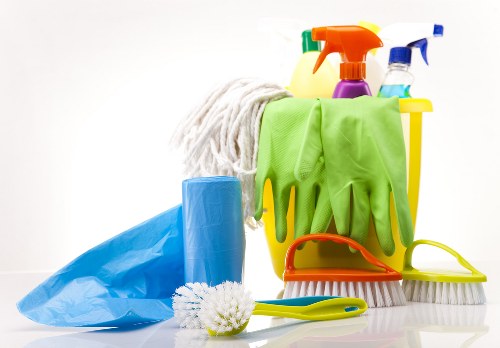
Domestic cleaning is more than a routine chore. It is a practical way to protect your home, support your health, and create a space that feels calm and organized. Whether you live in a busy family household, a shared apartment, or a quiet home for one, regular domestic cleaning plays a central role in daily comfort. A clean home reduces dust, helps control allergens, and makes it easier to relax after a long day.
Many people think domestic cleaning is only about appearance, but it also influences hygiene and overall wellbeing. Kitchen counters, bathroom surfaces, floors, and frequently touched objects can all collect dirt and bacteria quickly. That is why consistent domestic cleaning helps reduce unpleasant odors, lower the spread of germs, and improve the look and feel of your living space. A tidy environment often leads to better focus and less stress.
For homeowners and tenants alike, domestic cleaning is also a smart way to protect furnishings and fixtures. Regular care can extend the life of carpets, upholstery, tiles, and appliances. Instead of waiting until messes become overwhelming, a steady cleaning routine keeps maintenance manageable. Domestic cleaning is not just about effort; it is about building habits that save time, money, and energy in the long run.
What Domestic Cleaning Typically Includes
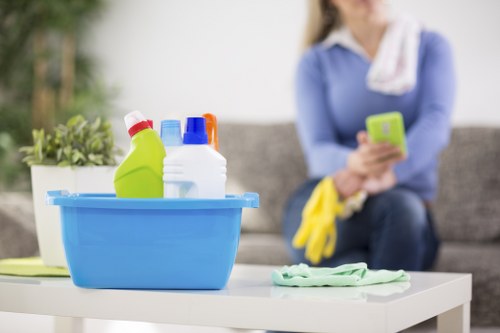
Domestic cleaning covers a wide range of tasks designed to keep indoor spaces fresh, sanitary, and organized. While every household has different needs, most domestic cleaning routines include dusting, vacuuming, mopping, bathroom sanitation, kitchen wipe-downs, rubbish removal, and general tidying. These tasks work together to maintain a balanced level of cleanliness throughout the home.
In many homes, domestic cleaning also includes more detailed work such as cleaning skirting boards, wiping light switches, polishing mirrors, and cleaning behind furniture. Depending on your lifestyle, you may also need extra attention for pet hair, food spills, and high-traffic areas. Domestic cleaning should always reflect the actual use of your home, rather than following a one-size-fits-all approach.
Some households prefer to divide tasks into daily, weekly, and monthly categories. This makes domestic cleaning easier to manage and prevents important jobs from being forgotten. A simple system can keep every room under control without requiring long hours of work. Many families find that a clear structure makes the entire process more efficient and less stressful.
Benefits of Regular Domestic Cleaning
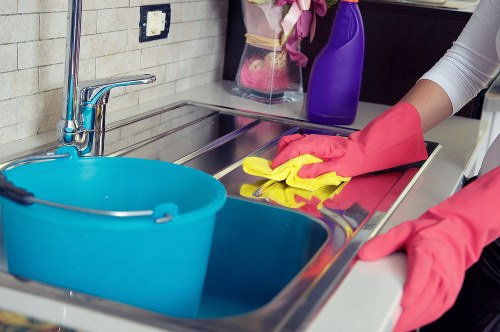
There are many advantages to keeping up with domestic cleaning on a regular basis. One of the biggest benefits is improved hygiene. By removing dust, grime, and germs before they build up, you create a healthier home environment for everyone inside. This is especially important for households with children, elderly residents, or people with asthma and allergies.
Another major benefit is time savings. It may seem counterintuitive, but frequent domestic cleaning often takes less time than tackling a neglected home. Small tasks done regularly are much easier than big, deep-cleaning sessions after weeks of buildup. With a steady approach, domestic cleaning becomes part of a smooth routine rather than a stressful event.
Regular domestic cleaning also supports mental clarity. Many people feel more focused and relaxed in a tidy home. Cluttered surfaces and dirty rooms can create a sense of pressure, while clean and organized spaces tend to feel more welcoming. Domestic cleaning services and personal cleaning routines both contribute to a better home atmosphere, helping residents enjoy their surroundings more fully.
Essential Areas to Focus on During Domestic Cleaning
Kitchen Cleaning

The kitchen is one of the most important spaces in any domestic cleaning routine because it is used for food preparation, eating, and storage. Wipe counters daily, clean sinks, disinfect handles, and remove crumbs from corners and shelves. Appliances such as microwaves, ovens, and refrigerators should be cleaned regularly to prevent smells and buildup.
Kitchen domestic cleaning should also include floors, bins, and cabinet fronts. Grease and food residue can build up quickly, especially around cooking areas. Keeping the kitchen clean helps support food safety and makes the space more pleasant to use. A clean kitchen also encourages healthier cooking habits and makes meal preparation less chaotic.
Bathroom Cleaning
Bathrooms need careful attention because they are high-moisture areas where bacteria and mold can develop quickly. Domestic cleaning in bathrooms should include scrubbing toilets, sinks, showers, tubs, tiles, and taps. Mirrors, floors, and ventilation areas should also be cleaned to reduce buildup and improve freshness.
Using the right products matters in bathroom domestic cleaning. Disinfectants, limescale removers, and mold-resistant cleaners can help maintain a sanitary environment. For the best results, clean bathrooms on a regular schedule instead of waiting for stains or odors to appear. A consistent approach keeps the room safer, brighter, and more comfortable.
How to Build an Effective Domestic Cleaning Routine
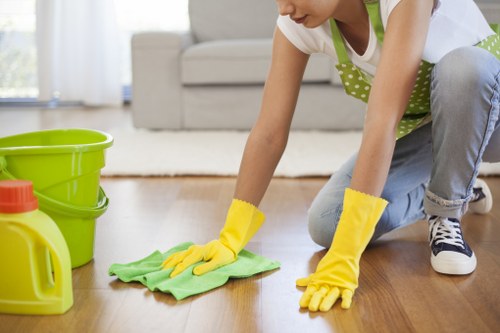
A strong domestic cleaning routine starts with realistic planning. The best schedule is one that fits your lifestyle, home size, and household habits. For example, a busy family may need daily surface cleaning and weekly deep cleaning, while a smaller household may only need lighter maintenance. The key is to build a routine that can be sustained over time.
Many people find it helpful to divide domestic cleaning tasks by room or by frequency. A room-by-room plan can include bedrooms, bathrooms, kitchen areas, hallways, and shared living spaces. A frequency-based system might separate tasks into daily cleaning, weekly cleaning, and monthly maintenance. Both methods work well as long as they stay consistent and practical.
To make domestic cleaning easier, start with the biggest visible jobs first. Clear clutter, collect rubbish, and put items back in their place before moving on to dusting or scrubbing. This creates a more efficient process and prevents wasted effort. Domestic cleaning works best when it is organized, repeatable, and tailored to the home you actually live in.
Sample routine structure
- Daily: wipe kitchen surfaces, wash dishes, tidy living areas, and handle rubbish.
- Weekly: vacuum floors, mop hard surfaces, clean bathrooms, and dust furniture.
- Monthly: wash windows, clean behind appliances, and refresh storage areas.
Deep Cleaning vs Regular Domestic Cleaning
Regular domestic cleaning is the ongoing maintenance that keeps your home in good condition. It includes frequent tasks that prevent dirt and clutter from becoming overwhelming. Deep cleaning, on the other hand, focuses on more detailed jobs that are usually done less often. Both are valuable, but they serve different purposes.
Regular domestic cleaning usually includes visible and high-use areas such as counters, floors, sinks, and common surfaces. Deep cleaning reaches hidden or overlooked spaces such as behind appliances, under furniture, inside cupboards, and around fixtures. If regular domestic cleaning is the foundation, deep cleaning is the extra care that helps the whole home stay in top shape.
A smart home care strategy uses both. For example, you might maintain your home weekly with domestic cleaning tasks and then set aside time monthly or seasonally for deeper work. This balance keeps the property looking good and helps avoid major buildup. It also makes cleaning feel more manageable because no single session becomes too large.
Domestic Cleaning Tips for Busy Households
Keep tasks short and focused
Busy households benefit from short, focused cleaning sessions. Instead of trying to clean everything at once, choose one area or one task at a time. Ten to fifteen minutes of domestic cleaning each day can produce impressive results over the course of a week. This approach is easier to maintain and less likely to be interrupted by daily responsibilities.
Use simple tools and products
You do not need a large collection of products to keep up with domestic cleaning. A microfiber cloth, vacuum cleaner, mop, disinfectant, and all-purpose cleaner can handle most household tasks. Keeping supplies in one central location also saves time and makes it easier to start quickly. Simplicity often leads to better consistency.
Involve everyone in the home
Domestic cleaning becomes far more manageable when everyone contributes. Children can help with age-appropriate tasks such as putting away toys or wiping surfaces, while adults can handle heavier work. Shared responsibility teaches good habits and prevents one person from carrying the entire load. A team-based system often creates a cleaner and more cooperative home environment.
Domestic cleaning does not need to be complicated. The most effective routines are often the simplest ones: keep supplies close, set expectations clearly, and clean in small bursts. This helps maintain order without sacrificing valuable time or energy.
Choosing the Right Domestic Cleaning Products
The products you choose can make a noticeable difference in cleaning quality and safety. For general domestic cleaning, it is useful to keep a selection of products that work across multiple surfaces. Multi-surface cleaners, glass cleaners, bathroom disinfectants, and floor products are common essentials. However, always read labels carefully to ensure the product is suitable for the surface you are cleaning.
Eco-friendly domestic cleaning products have become increasingly popular because they often use fewer harsh chemicals. Many households prefer them for everyday cleaning, especially in homes with children or pets. While natural cleaners can be effective for many jobs, it is still important to use the right product for stubborn grime, mold, or grease. A balanced approach usually works best.
Safety should always come first. Store domestic cleaning products out of reach of children, never mix chemicals unless instructed, and ensure proper ventilation during use. Gloves may be helpful for tough cleaning tasks or sensitive skin. Thoughtful product selection supports both cleanliness and household safety.
Helpful product categories
- All-purpose cleaner
- Disinfectant spray or wipes
- Glass cleaner
- Bathroom descaler
- Floor cleaner
- Microfiber cloths and sponges
Common Domestic Cleaning Mistakes to Avoid
Even well-intentioned routines can go wrong if common mistakes are repeated. One frequent issue is cleaning too quickly and missing hidden spots. Another is using the wrong product on delicate surfaces, which can cause damage instead of improvement. In domestic cleaning, technique matters just as much as effort.
Another mistake is allowing clutter to accumulate before starting. Domestic cleaning is much harder when surfaces are covered with items that need to be sorted first. It is better to put away objects regularly so the actual cleaning process stays efficient. Likewise, using dirty cloths or worn-out equipment can spread grime instead of removing it.
Some people also forget to clean tools themselves. Mop heads, vacuum filters, sponges, and cloths should be washed or replaced on a regular basis. Clean equipment supports better results and prevents odors from developing. Careful habits make domestic cleaning more effective in the long term.
Seasonal Domestic Cleaning and Home Maintenance
Seasonal domestic cleaning is a smart way to tackle tasks that do not need weekly attention but still matter greatly. Spring, summer, autumn, and winter each create different cleaning needs. For example, spring is often a good time to freshen storage spaces, declutter, and clean windows. Summer may require more attention to ventilation and dust control, while autumn can be ideal for preparing indoor areas before colder weather.
During winter, domestic cleaning may focus more on floors, entrances, and heating-related dust. Wet footwear, muddy tracks, and increased indoor time can all affect home cleanliness. Seasonal routines help you stay ahead of these changes and keep the home comfortable all year long. They also support other maintenance tasks that preserve your property over time.
A seasonal approach works especially well when paired with routine domestic cleaning. By handling regular tasks each week and seasonal jobs at scheduled intervals, you reduce stress and prevent major cleaning backlogs. Domestic cleaning becomes more strategic and far less overwhelming when planned around the year.
Why Domestic Cleaning Supports a Better Lifestyle
Domestic cleaning influences more than the appearance of a home. It supports healthier living, smoother routines, and a better quality of life. When your home is clean, it is easier to cook, rest, work, and spend time with family. That everyday comfort can make a real difference in how you feel from morning to night.
Many households also find that regular domestic cleaning improves their sense of control. A clean environment often feels more peaceful and predictable, especially during busy periods. Instead of dealing with piles of clutter or messy rooms, you can enjoy a space that feels ready for whatever the day brings. This is one reason domestic cleaning remains such an important part of home management.
If you have been putting off your cleaning routine, now is the perfect time to start with small, achievable steps. Focus on the most used spaces, build a simple schedule, and keep momentum going. If you want to save time and maintain a higher standard of cleanliness, contact us today or book your service now to get support with your domestic cleaning needs.
Final Thoughts on Domestic Cleaning
Domestic cleaning is a practical investment in comfort, hygiene, and peace of mind. It helps maintain a welcoming home, protects surfaces and furnishings, and creates a healthier environment for everyone who lives there. Whether you handle the work yourself or choose professional support, consistency is the key to lasting results.
By understanding what domestic cleaning includes, focusing on important areas, and using a realistic routine, you can keep your home looking and feeling its best. Start small, stay consistent, and treat domestic cleaning as an ongoing part of home care rather than a once-in-a-while task. The rewards are well worth the effort.