Regular Cleaning in Everyday Spaces: Why It Matters and How to Do It Right
Why Regular Cleaning Matters for Homes and Workplaces
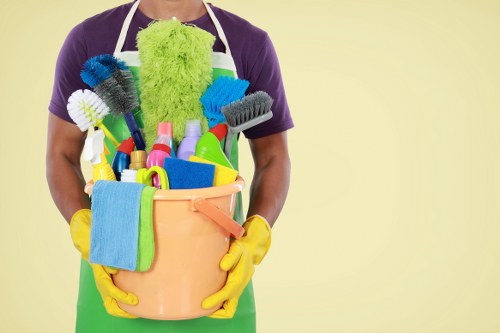
Regular cleaning is more than a visual upgrade. It is a practical habit that improves comfort, supports hygiene, and helps spaces stay functional for longer. Whether it is a home, office, retail space, or shared building, regular cleaning reduces the buildup of dust, grime, allergens, and germs that can affect both appearance and health.
Many people think cleaning is only about keeping things neat, but regular cleaning also protects surfaces, preserves furniture, and makes daily routines easier. When dirt is left untreated, it can settle into fabrics, floors, and corners, making later cleaning much harder. A steady routine is usually more effective than occasional deep scrubbing.
For families, businesses, and property managers, regular cleaning creates a better environment for everyone. It reduces stress, improves first impressions, and supports a healthier atmosphere. Clean spaces feel more organized, more welcoming, and more productive, which is why regular cleaning should never be treated as an optional task.
Understanding the Core Benefits of Regular Cleaning
Health, comfort, and long-term savings
The benefits of regular cleaning go well beyond appearance. A consistent routine can reduce allergens such as dust and pollen, limit the spread of bacteria, and improve indoor air quality. This is especially important in homes with children, older adults, or anyone with sensitivities.
Regular cleaning also contributes to comfort. A tidy kitchen, a fresh bathroom, and dust-free surfaces make a property feel more pleasant. In offices and commercial settings, regular cleaning can improve morale and create an environment where people can focus better.
Long-term savings are another major advantage. Floors, counters, upholstery, and appliances last longer when they are maintained properly. Instead of paying for expensive repairs or replacements, property owners can invest in regular cleaning to protect their assets and reduce wear and tear.
Other key benefits include:
- Fewer odors caused by spills, moisture, or waste buildup
- Reduced risk of pest problems
- Better organization and easier daily upkeep
- Improved guest and customer impressions
- Less time needed for major cleaning later
What Regular Cleaning Includes
Regular cleaning can vary depending on the space, but it usually includes a set of recurring tasks that keep a property in good condition. These tasks are meant to prevent buildup and maintain a consistent standard of cleanliness. They are usually done daily, weekly, or on another repeating schedule.
Typical regular cleaning tasks include wiping down surfaces, vacuuming, mopping, dusting, sanitizing high-touch points, taking out trash, and cleaning bathrooms and kitchens. In commercial spaces, regular cleaning may also involve disinfecting desks, polishing floors, and maintaining shared areas like break rooms or lobbies.
Consistency is the key. A task performed regularly is easier, faster, and more effective than one left until dirt becomes visible. That is why many homes and businesses build regular cleaning into their weekly schedule rather than waiting for problems to appear.
Examples of routine cleaning areas
- Entryways and hallways
- Kitchen counters and sinks
- Bathroom fixtures and mirrors
- Office desks and shared workstations
- Flooring, carpets, and rugs
- Light switches, handles, and railings
Regular Cleaning for Homes
Making daily life easier and more hygienic
In the home, regular cleaning keeps living areas comfortable and reduces the chance of mess becoming overwhelming. Busy households often generate dust, food crumbs, laundry, fingerprints, and bathroom buildup quickly. Without a plan, these small messes turn into larger cleaning jobs.
A sensible home routine may include simple daily habits such as wiping counters, putting items back in place, sweeping high-traffic areas, and cleaning dishes promptly. Weekly tasks may involve vacuuming, mopping, dusting shelves, sanitizing bathrooms, and changing bedding. These steps help maintain a sense of order without requiring constant heavy effort.
Regular cleaning in the home is also about prevention. For example, cleaning spills quickly protects floors and counters from staining. Dusting prevents buildup on electronics and furniture. Bathroom cleaning reduces mold and mildew risks. In this way, regular cleaning supports both cleanliness and property care.
Some homeowners prefer to divide chores into zones, such as:
- Kitchen zone: counters, sink, stove, fridge handles
- Bathroom zone: toilet, shower, sink, mirrors
- Living zone: floors, furniture, surfaces, electronics
- Bedroom zone: bedding, dusting, under-bed cleanup
Regular Cleaning in Offices and Commercial Spaces
A cleaner workplace supports better performance
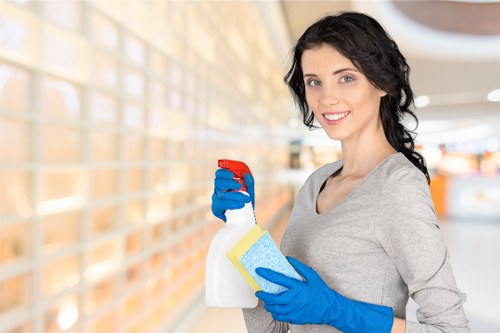
Regular cleaning plays a major role in offices, retail settings, and other commercial environments. Customers, visitors, and employees notice cleanliness immediately. A well-maintained workplace communicates professionalism, care, and attention to detail. On the other hand, a neglected space can create a negative impression quickly.
In offices, regular cleaning helps reduce clutter and keeps shared areas presentable. Desks, conference rooms, restrooms, kitchens, and lobbies all require attention because they are often used by many people throughout the day. High-touch surfaces such as door handles, elevator buttons, and shared equipment should be cleaned often to support hygiene.
Productivity can improve when the environment feels clean and orderly. People spend less time dealing with mess and more time focusing on work. Clean surroundings may also reduce distractions and support a calmer atmosphere. For businesses that interact with the public, regular cleaning can become part of the brand experience.
Areas that often need attention in commercial cleaning
- Reception desks and waiting areas
- Conference tables and meeting rooms
- Break rooms and kitchens
- Restrooms and locker rooms
- Floors, carpets, and entrance mats
- Shared technology and touchpoints
How to Build an Effective Regular Cleaning Schedule
Simple routines that actually stick
One of the best ways to stay on top of regular cleaning is to create a realistic schedule. A good plan should fit the size of the property, the number of people using it, and the level of activity in the space. If the schedule is too ambitious, it will be difficult to maintain. If it is too limited, mess will build up quickly.
Start by listing tasks by frequency. Daily tasks may include wiping surfaces, tidying clutter, sweeping entryways, and washing dishes. Weekly tasks may involve deeper dusting, vacuuming, floor mopping, and bathroom scrubbing. Monthly tasks may include cleaning appliances, washing windows, or organizing storage spaces. This layered approach makes regular cleaning much easier to manage.
It helps to assign responsibility if multiple people share the space. In a family home, each member can take on simple duties. In a workplace, staff or cleaning teams can follow a clear checklist. A written system supports accountability and keeps regular cleaning from being forgotten.
Tips for building a workable routine
- Focus on high-traffic areas first.
- Use short cleaning sessions instead of waiting for a large buildup.
- Keep supplies in easy-to-reach locations.
- Match tasks to a daily, weekly, and monthly rhythm.
- Review and adjust the plan as the space changes.
Tools and Supplies That Make Regular Cleaning Easier
Having the right supplies can make regular cleaning faster and more efficient. A basic cleaning kit should include microfiber cloths, a vacuum, mop, broom, buckets, scrub brushes, disinfectant, all-purpose cleaner, and trash bags. Depending on the property, you may also need glass cleaner, bathroom disinfectant, floor care products, and gloves.
Quality tools save time and improve results. Microfiber cloths, for example, trap dust more effectively than paper towels. A good vacuum can remove dirt from carpets and rugs before it settles deeper. Using the right cleaning product for each surface also helps prevent damage and improves the overall finish.
Organization matters too. When supplies are stored neatly and labeled clearly, it becomes easier to stay consistent with regular cleaning. Many homes and businesses use a caddy, closet, or utility cabinet to keep everything together.
Useful items to keep on hand include:
- Microfiber cloths and dusters
- Surface-safe cleaners
- Disinfecting wipes or sprays
- Vacuum attachments for corners and upholstery
- Mops and floor solutions
- Protective gloves and trash liners
Common Mistakes to Avoid in Regular Cleaning
Why small errors can lead to bigger problems
Even with good intentions, some people make mistakes that reduce the effectiveness of regular cleaning. One common issue is using the wrong product on a surface. Harsh chemicals can damage finishes, while weak cleaners may not remove buildup properly. Reading product labels and following instructions is essential.
Another mistake is focusing only on visible areas. Regular cleaning should include hidden and high-touch spaces such as under furniture, behind appliances, baseboards, switches, and handles. These spots may not be noticed right away, but they often collect dirt and germs over time.
Skipping consistency is another major problem. A space may look clean for a day or two, but without a routine, the mess quickly returns. The goal of regular cleaning is not perfection; it is steady maintenance that keeps the space under control.
Other common mistakes include:
- Leaving spills for later
- Ignoring bathroom ventilation and moisture
- Overloading one person with all tasks
- Using dirty cloths or mops repeatedly
- Forgetting to clean tools after use
Regular Cleaning and Health Protection
A cleaner space supports a healthier lifestyle
Regular cleaning supports health by limiting dust, allergens, and contaminants that can affect breathing and comfort. This is particularly important in homes with pets, carpeted areas, or lots of foot traffic. In environments where many people gather, regular cleaning can help reduce the spread of illnesses by keeping shared spaces cleaner.
Bathrooms and kitchens deserve special attention because they are areas where moisture, food residue, and germs can accumulate. Wiping these spaces regularly helps reduce unpleasant odors and lowers the risk of mold or bacterial growth. This is one reason why regular cleaning is central to any hygiene-focused routine.
Fresh air and clean surfaces work together. When a room is dust-free and well maintained, it often feels lighter and more pleasant. This can improve overall well-being and make daily life more comfortable. Regular cleaning is not just about appearance; it supports a healthier environment.
Where hygiene matters most
- Bathrooms and toilets
- Kitchen counters and food prep areas
- Door handles and switches
- Shared desks and meeting tables
- Children’s play areas
- Pet spaces and feeding areas
Why Professional Help Can Be Worth It
While many cleaning tasks can be handled in-house, professional support can be valuable for larger spaces, busy households, or properties with specific maintenance needs. A professional service can handle time-consuming work, support consistency, and take on specialized tasks that require skill or equipment.
Professional regular cleaning is especially useful when the space has heavy use. Commercial properties, rental units between tenants, and large family homes often need a more structured approach. In these cases, expert support can help keep standards high without placing too much pressure on one person or team.
Professional cleaners may also offer better access to equipment and techniques for floor care, sanitation, and hard-to-reach areas. If your time is limited, or if your property requires reliable upkeep, it may be worth exploring outside help. Book your service now if you want a cleaner space with less effort on your end.
Making Regular Cleaning a Lasting Habit
Small actions create strong results over time
The best cleaning routines are the ones people can actually maintain. That means keeping the process simple, repeatable, and realistic. Regular cleaning works best when it becomes part of the natural flow of the day rather than a stressful chore that gets postponed.
It can help to pair cleaning with another habit. For example, wipe the kitchen counter after making coffee, tidy the living room before bedtime, or clear the desk at the end of the workday. These small actions prevent clutter from spreading and make the next cleaning session easier.
Consistency beats intensity. You do not need to scrub every corner daily to benefit from regular cleaning. You simply need a steady plan that keeps dirt from building up and supports the overall condition of the space. Over time, the results become visible in both appearance and comfort.
Practical ways to stay consistent
- Set a few non-negotiable daily tasks.
- Use reminders or a shared checklist.
- Keep cleaning products close to where they are used.
- Review problem areas weekly.
- Refresh the routine when seasons or schedules change.
Final Thoughts on Regular Cleaning
Regular cleaning is one of the simplest and most effective ways to protect a property, improve hygiene, and create a more enjoyable environment. From homes to offices, the benefits are clear: better comfort, fewer allergens, stronger first impressions, and less work in the long run.
When regular cleaning becomes part of your routine, the space stays easier to manage and more pleasant for everyone who uses it. Whether you handle the tasks yourself or bring in professional support, a consistent approach delivers lasting value. Clean spaces support better living and better working every day.
If you are ready to improve your environment, start with a routine that fits your needs and take the first step today. Contact us today to keep your space looking its best, or Book your service now to make regular cleaning effortless.